As far back as he can remember, Kenneth Nixon was around entrepreneurs. His mother had a hairstylist business. His stepfather and grandfather owned real estate. At age 18, he bought his first tow truck and started a towing company. His path was interrupted, Kenneth was arrested and later exonerated for a crime he did not commit.
Filling a need
When he was finally exonerated, Kenneth found that the community was severely lacking resources for people in his situation. He didn’t have even the most basic things: no state ID, no birth certificate, no social security card, no bank account, no car, or even a safe place to stay. He had to stay with family and friends, which he found uncomfortable. But he felt blessed that at least he had people to lean on, which many don’t.
On top of all that, after you’re exonerated, your record isn’t cleared right away. The system will still label you with a criminal record.
Kenneth was motivated to make sure other exonerees didn’t have to go through what he did. Once out, “it was very difficult to find a safe place to live,” Kenneth recalled. “Nixon Investment Group was born out of that need. Helping people transition from prison to a safe, peaceful environment was extremely important to me.”
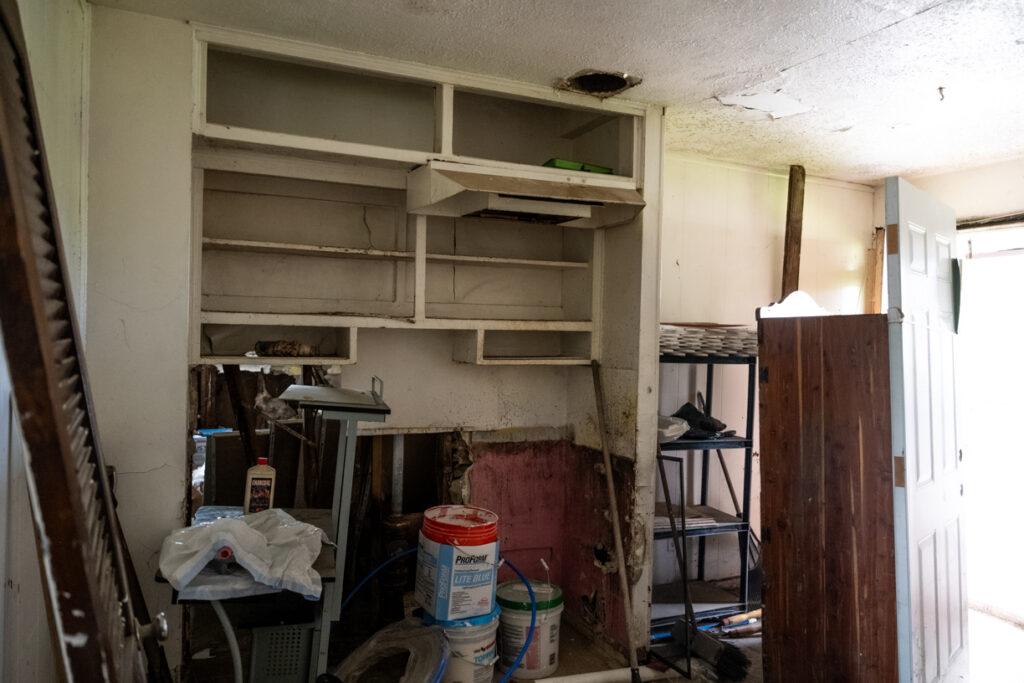
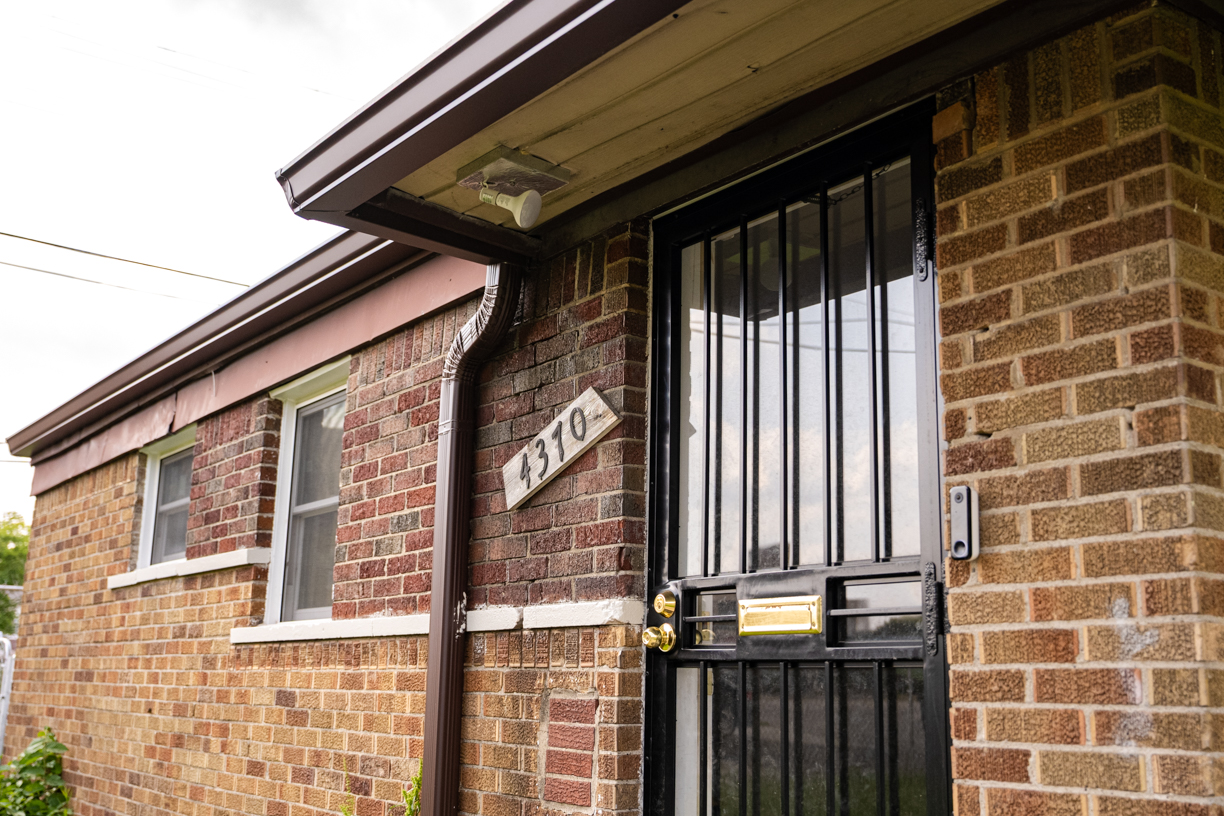
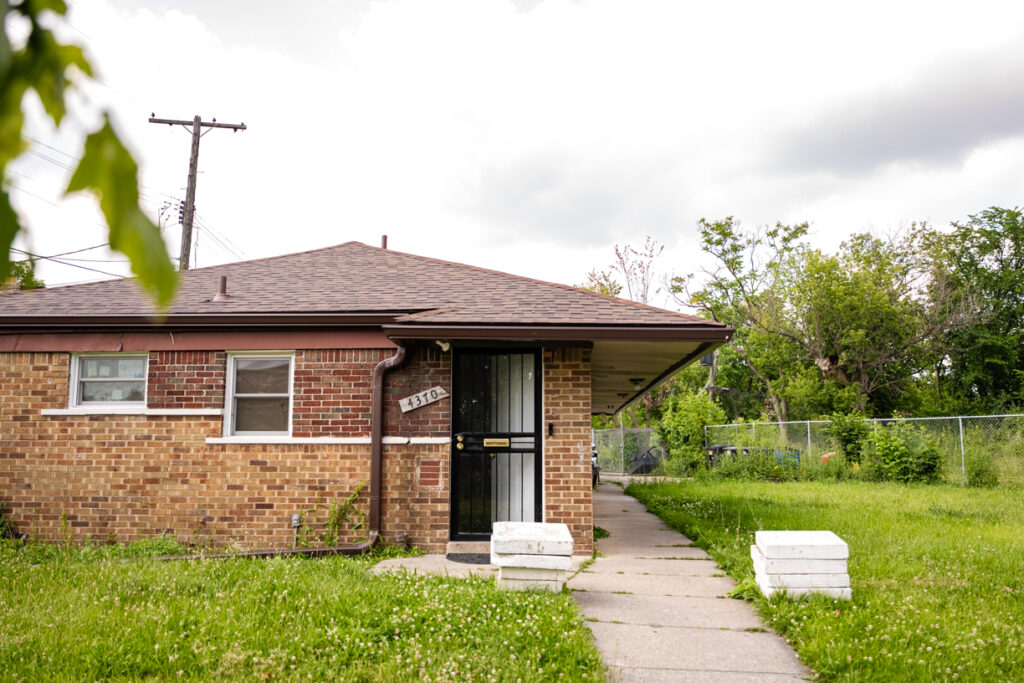
Kenneth purchased property with the mindset of creating reentry housing for people coming out of prison who lacked the resources to make a successful transition. The building needed restoration, but Kenneth saw its potential as a stable home for people reentering society. But it had space for four small apartments. And it was located in a central area close to bus routes, important attributes for someone reentering society.
“It started as a group of survivors navigating the negative effects of when the system gets it wrong,” said Kenneth, who also founded The Organization of Exonerees. “It eventually grew into an organization as we learned to advocate and speak up for ourselves.”
ProsperUs: Partners Who Listen
A huge problem for exonerees is predatory lenders. They offer high-interest loans, preying on the fact that there’s a long time between being released and money coming in. That’s how he started talking with Paul Jones. “We were trying to figure out a way to offer more of a fixed, controlled rate as opposed to the exorbitant rates predatory lenders were charging,” Kenneth explained.
Just after purchasing the apartment building, Kenneth met Paul again, who had become ProsperUs’ CEO. Paul explained the resources ProsperUs had to offer, eventually connecting Kenneth with Matthew and the ProsperUs lending program. “They listened to what my goals were and even did a site walk-through at the property,” Kenneth recalled. “They understood what I was trying to do, felt it was a great idea, and supported it.”

ProsperUs partnered with him to find the right contractors and walk him through possible solutions as new problems arose. “They don’t shy away from difficult situations. When I had a problem, they worked with me to find solutions and navigate difficulties. They talked me through what I think other people would’ve neglected or chosen not to help me.”
Looking Ahead: Building Legacy and Expanding Impact
Kenneth’s vision goes beyond restoring a single apartment building. He is working to place the property into a trust fund to ensure it creates generational wealth for his family, all while continuing to serve exonerees for decades to come. But Kenneth’s story is not an isolated one. Many others are rebuilding their lives after incarceration, and ProsperUs is committed to supporting them with resources, funding, and partnerships.

It is stories like these that challenge stigma and create pathways to stability and opportunity. When people are given a chance to thrive, entire communities rise with them.
Learn more about Kenneth’s story in this article from ProPublica.